
Digital marketing, also known as online marketing.It’s aim to help companies reach their target audience, engage with them, and turn them into customers as well as to increase business’s profits by leveraging fast internet access, digital skills, and a laptop.
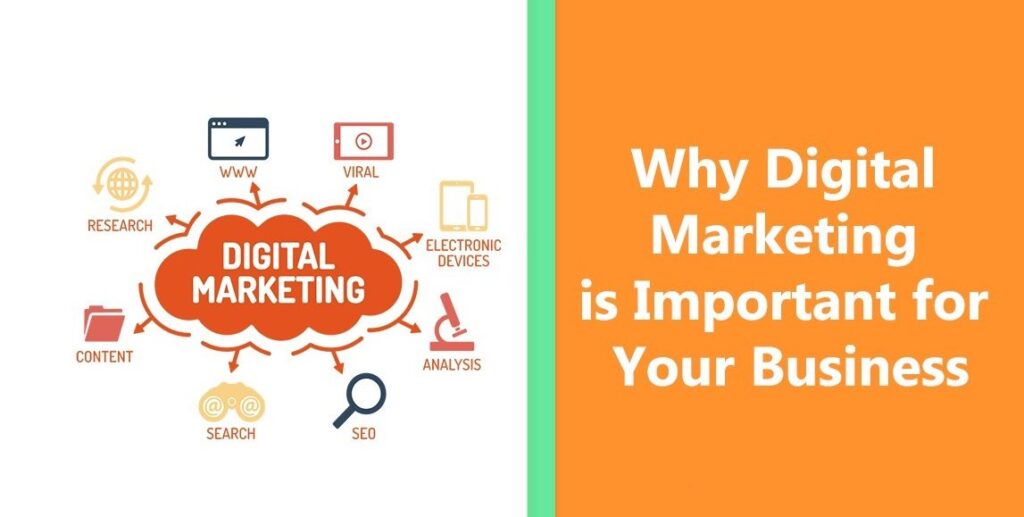
It involves using various online platforms like Facebook, YouTube, and Google to promote products and services through channels such as email marketing, social media marketing, affiliate marketing, pay-per-click, and SEO.
The goal is to attract attention, provide value to potential customers, and convert them into buyers using strategies like CATT and OAC.
In the next 50 years, digital marketing will continue to evolve as technology advances. New platforms and strategies will emerge, offering businesses even more opportunities to connect with consumers online. As the digital landscape evolves, businesses must stay agile and adapt their marketing strategies to remain competitive.
Why Digital Marketing?
Digital marketing enables brands to connect with their desired audience and advertise their products or services. While traditional marketing campaigns also aim for this, digital marketing offers the advantage of targeting a more precise or specialized audience. By engaging with customers online, brands can expand their reach and cultivate a broader audience that has confidence in their brand. This approach is especially beneficial for small businesses, as they can readily employ digital marketing strategies without relying on a dedicated marketing team or external agency.
In the past, businesses spent a lot of money on billboard ads, but things have changed. Nowadays, most companies focus on online (digital) marketing because platforms like Google and Facebook bring in more money than traditional media. Plus, lots of people use mobile devices everywhere they go, which means they’re always connected to the internet. So, when we look something up on our phones, we’re basically seeing mini ads. The number of people using mobile phones, the internet, and social media keeps increasing, while traditional print advertising is declining. This shows how important it is. Your customers are online, so you need to be there too. And It isn’t just for big companies. Even small local stores can benefit. In fact, almost half of people search online before visiting a physical store
Benefits of Digital Marketing
- More data: You can learn about your customers and what they want, helping you improve your strategy.
- Wider audience: Social media has billions of users, so it’s a great way to reach people.
- Cost-effective: It’s cheaper than traditional ads, and you can target specific groups.
- Better engagement: You can keep your audience interested with email, social media, and content.
- Measurable results: Tools like Google Analytics show you how well your campaigns are doing.
- Staying competitive: Your competitors are probably using digital marketing, so you need to keep up.
By using digital marketing, you can make your business more visible, engage with your audience, and increase your revenue
Types of digital marketing.
based online and offline.
Online overviews:
- Search engine optimization (SEO): This marketing channel helps your website to shows up higher in search results. It involves things like using the right keywords and creating quality content.
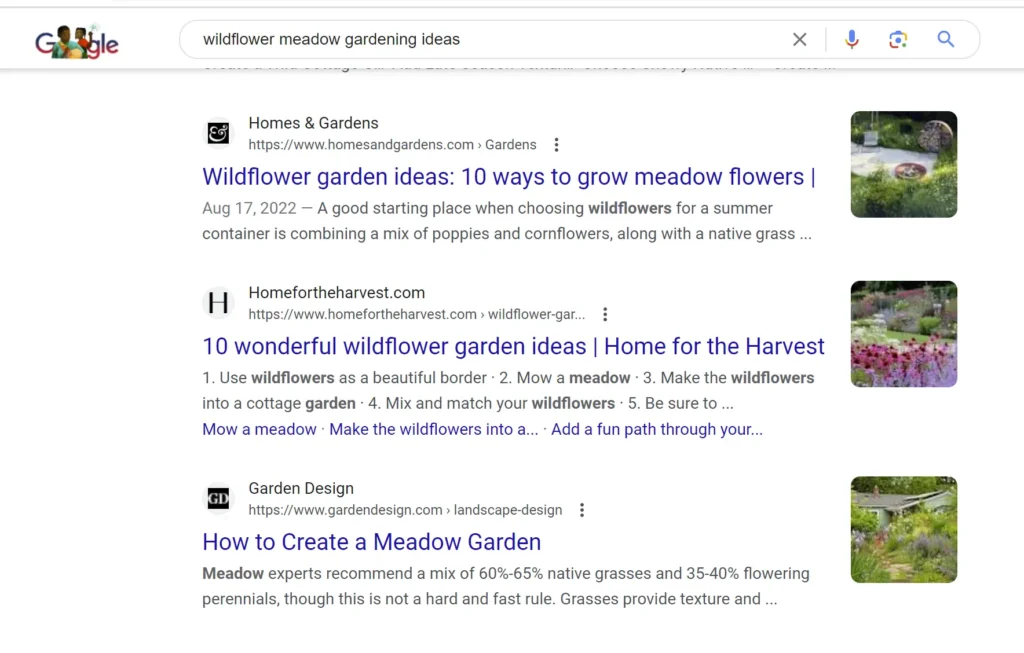
- Social medias marketing (SMM): These marketing channels assist to reach your products or services in a massive traffics by contents like as videos, image, texts, captions, emoji and animation etc.
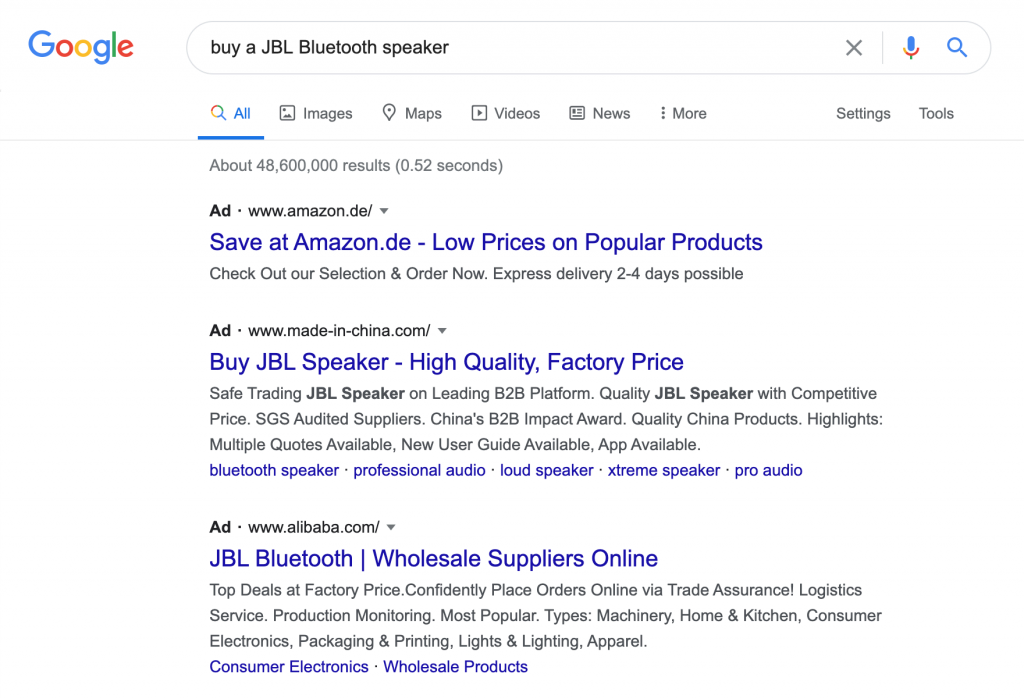
- Pay-per-click (PPC): This marketing channel helps to bring the prospects into a landing page as rapidly than SEO but per click on our ad will spend small amount of $. In pay-per-click (PPC) advertising, the advertiser compensates each time someone clicks on their ad. This means you’re essentially purchasing specific visits to your website, landing page, or app. When PPC is effective, the cost per click is insignificant because the value derived from the click exceeds the expense.
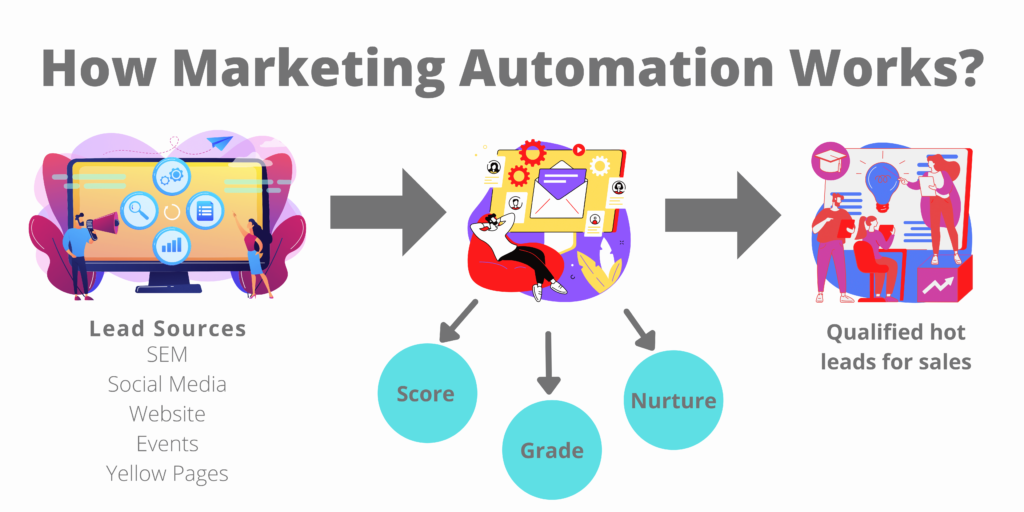
- Email marketing and automation (EMA): Email automation is a way to create emails that reach the right people with the right message at the right moment—without doing the work every time, sending automated messages leveraging a marketing automation tool. Sending targeted emails to your subscribers to keep them engaged and informed.
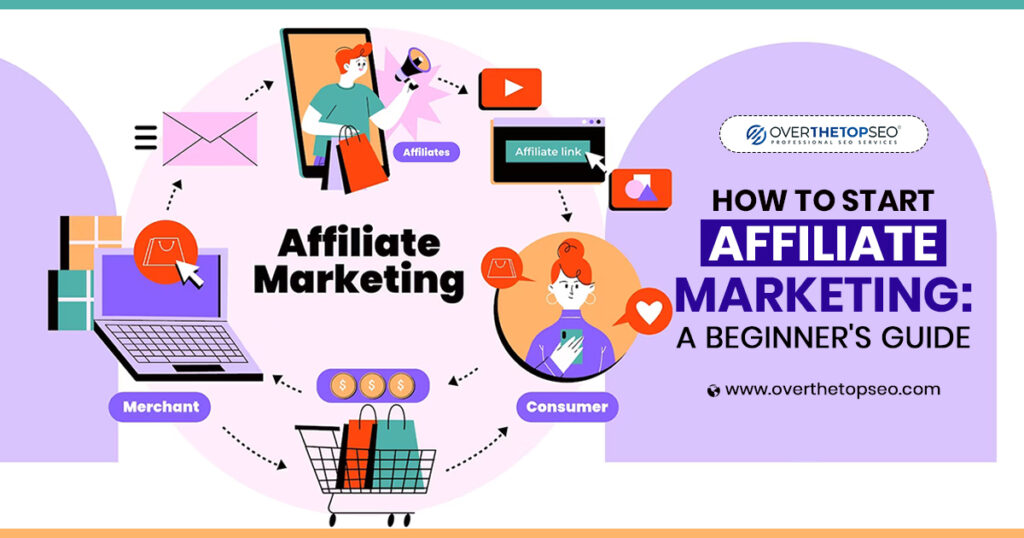
- Affiliate marketing (AM): Getting other people to promote your products in exchange for a commission. Affiliate marketing involves a collaboration between merchants and affiliate marketers to endorse a product or service by recommending it to others. You can recognize affiliate marketing when you see terms like “sponsored post” or “affiliate link” attached to content promoting a product or service.
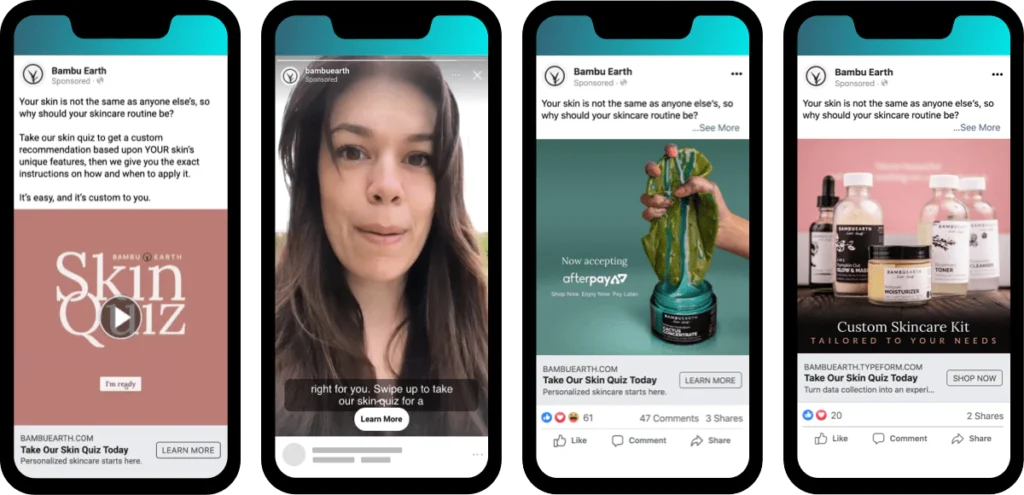
- Paid media (PMC): Paid media refers to content that is boosted through paid placements such as video ads, pay-per-click, ads, pop-ups, and sponsored social media posts. Paid media campaigns provide immediate access to potential leads, assisting businesses in increasing visibility, engagement, and swiftly attracting a large number of prospects to their products or services.
Each of these methods has its advantages and challenges, but they all help you connect with your audience and grow your business. Offline Overview Offline digital marketing still uses digital devices like phones and TVs, but it’s done away from the internet. Some common strategies include:
- SMS Marketing: Sending text messages to promote your business.
- QR Codes: These barcodes take people to a website or app when scanned with a smartphone.
These strategies can complement your online efforts and help you reach more people.
Some steps to create a marketing strategy
Building a digital marketing strategy might seem daunting, but it’s not as complicated as it seems. Here are the four key steps.
- Research and Understand Your Audience: Figure out who your customers are and what they want.
- Set Digital Marketing Strategy Goals and KPIs: Decide what you want to achieve and how you’ll measure success.
- Create Your Digital Marketing Strategy: Choose which channels to focus on and develop your plan.
- Continue Improving: Keep learning and experimenting to make your strategy even better.
By following these steps, you can create a successful online marketing strategy that helps your business grow
The Future of Digital Marketing
New technologies like Artificial Intelligence (AI) and Augmented Reality (AR) are changing the digital marketing landscape. AI can help you create better content and personalize your marketing efforts, while AR allows for interactive experiences that engage customers in new ways. As these technologies continue to evolve, digital marketers will have even more opportunities to connect with their audience and drive results. It’s an exciting time to be in the world of digital marketing, and the possibilities are endless!
Conclusion
At this point, you should have a comprehensive understanding of digital marketing and its potential to elevate your business in today’s competitive arena. Regardless of your objectives or financial resources, crafting a digital marketing strategy is within reach, enabling you to tap into new audiences by implementing the strategies outlined in this guide.
As well as If you are enjoying in this article and also you can consume on these sites:
Bear in mind that it is an ongoing journey necessitating continual learning and refinement. Embrace both established and emerging tools to maintain a competitive edge. Continuously innovate to enhance lead generation capabilities and foster meaningful customer interactions, thereby ensuring sustained growth and success.
If you feel this article is really helpful
I am planning FREE CONSULTATION CALL only for 20 first business owners! Do not miss out this OFFER ! If you want book, Click the BOOK NOW bottom to reserve your seat.
