
Web design refers to the process of planning, conceptualizing, and creating the visual and functional elements of a website. It involves a combination of graphic design, user interface (UI) design, user experience (UX) design, and technical skills to create an aesthetically pleasing, user-friendly, and effective website.

Key aspects of web design include:
Visual Design: Visual design focuses on the aesthetics of the website, including layout, color scheme, typography, imagery, and branding elements. It aims to create a visually appealing and cohesive design that reflects the brand identity and engages users.
User Interface (UI) Design: UI design involves designing the interface elements and interactive components of the website, such as buttons, menus, forms, and navigation bars. UI designers strive to create intuitive and user-friendly interfaces that enhance usability and facilitate user interactions.
User Experience (UX) Design: UX design focuses on optimizing the overall user experience of the website by ensuring that it is easy to use, intuitive, and enjoyable for visitors. UX designers conduct research, usability testing, and analysis to understand user behavior and preferences and design solutions that meet their needs and expectations.
Responsive Design: Responsive design is the practice of designing websites to provide an optimal viewing and interactive experience across different devices and screen sizes, including desktops, laptops, tablets, and smartphones. Responsive design ensures that the website adapts and scales seamlessly to accommodate various screen resolutions and orientations.
Accessibility: Accessibility in web design involves making websites accessible to all users, including those with disabilities or impairments. This includes implementing features such as alternative text for images, keyboard navigation, readable fonts, and color contrast to ensure that all users can access and navigate the website effectively.
Content Organization: Effective web design includes organizing content in a logical and hierarchical manner to make it easy for users to find and consume information. This may involve using clear headings, categories, and navigation menus to structure the content and guide users through the website.
Performance Optimization: Web design also encompasses optimizing the performance of the website, including page load times, speed, and responsiveness. This involves optimizing images, minimizing HTTP requests, caching content, and optimizing code to ensure fast and smooth performance.
A website is a collection of web pages and related content that is accessible via the World Wide Web. It is typically identified by a unique domain name and hosted on a web server. Websites can serve various purposes, including providing information, offering products or services, facilitating communication, and entertaining users.
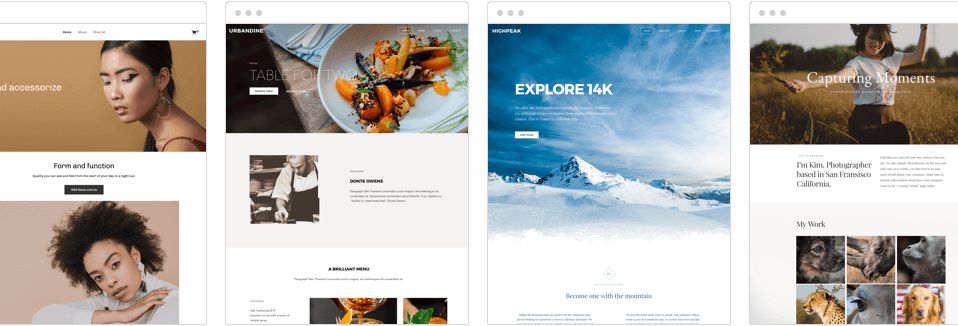
Key components of a website include:
Web Pages: These are individual documents or files containing text, images, videos, and other multimedia content. Web pages are interconnected through hyperlinks and collectively make up the website.
Domain Name: This is the unique web address that users type into their web browser to access a website (e.g., www.example.com). Domain names are registered and managed through domain registrars.
Web Hosting: Web hosting involves storing and serving the website’s files and content on a web server. Web hosting providers offer various hosting plans and services to accommodate different website needs.
Navigation Menus: Navigation menus help users navigate the website and find the information they are looking for. They typically include links to different sections or pages of the website.
Content: Content is the information, text, images, videos, and other multimedia elements that are presented on the web pages. Content should be relevant, engaging, and well-organized to effectively communicate with the website’s audience.
Design and Layout: The design and layout of a website encompass its visual appearance, user interface, and user experience. A well-designed website should be visually appealing, easy to navigate, and optimized for various devices and screen sizes.
Functionality: Websites may include various functionality and features, such as contact forms, search bars, interactive elements, e-commerce capabilities, and user accounts. These features enhance the website’s usability and provide additional value to users.
Security: Website security is crucial for protecting user data, preventing unauthorized access, and maintaining the integrity of the website. Security measures may include SSL encryption, firewalls, regular software updates, and strong password policies.